
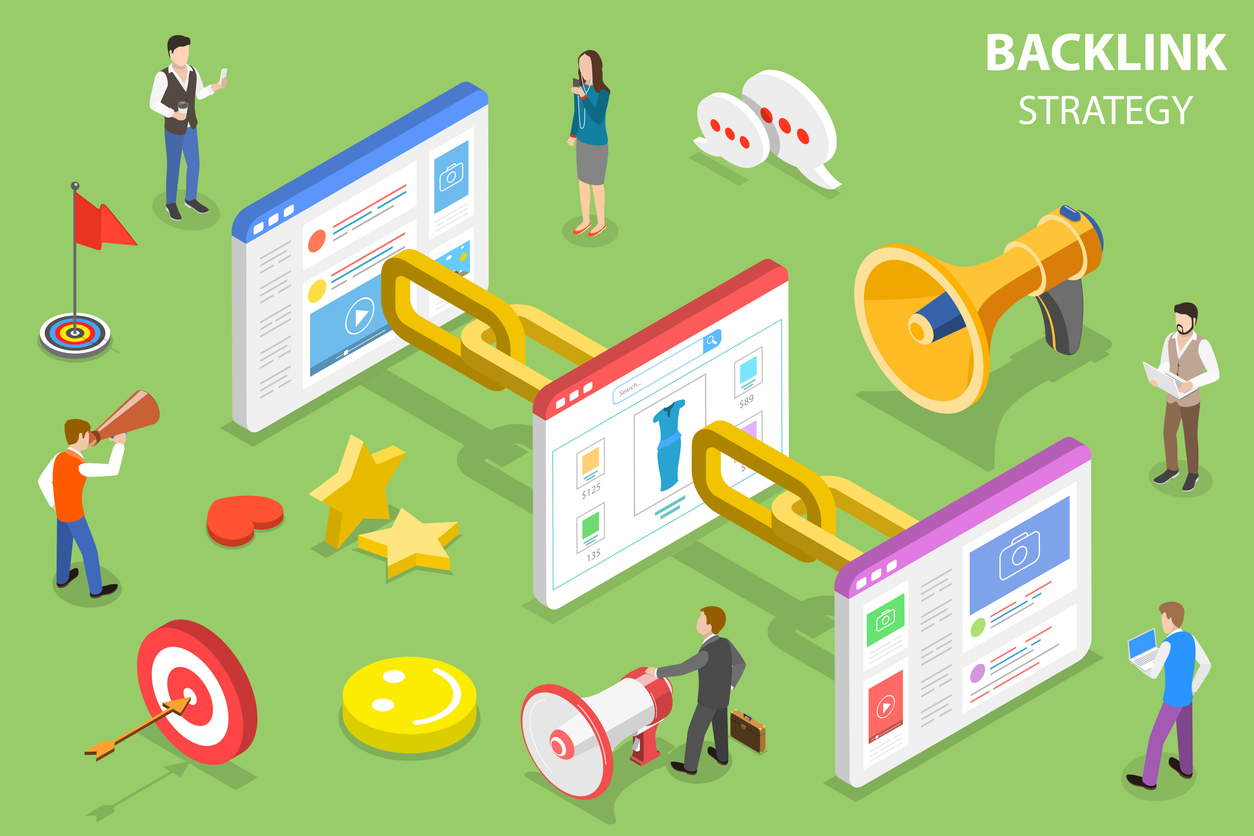
Search engine optimization (SEO) is experiencing a great transition, and this is evident in how search engines evaluate backlinks. Accumulating a large volume of links is used to help a website appear at the top of search results. However, algorithms have changed, and search platforms now value who is linking to a site and why. Here is why focusing on backlink quality now matters more than quantity.
1. Google Prioritizes Authority, Not Volume
Google’s algorithm has grown over the past few years. Back then, search engines counted links as votes, regardless of the source. That meant more links translated to higher rankings. However, the formula has changed, and algorithms now look at semantic relationships, contextual relevance, and topical mastery when evaluating link quality. What this means is that earning links from industry leaders establishes your business as an authority in your niche. This can be through strategic collaborations, guest posts, or featured mentions.
Authority signals trust, and when established websites link to your content, they pass part of their credibility to you. Search engines read that as proof your content deserves attention, and that trust compounds over time. Volume alone can also look suspicious. For instance, a sudden rise in backlinks from unrelated or low-quality sources indicates manipulations rather than organic growth. This difference matters when you operate in a market where trust and accuracy control your business.
2. Relevant Links Drive Real Traffic
Not all traffic is equal; a quality backlink should bring readers who care about your topic or want to discover new helpful content. When a respected blog links to your article, the audience is already interested and clicks with intent. That is the difference between relevant and random links. Relevant backlinks connect you to readers who are likely to read, stay, and engage. In contrast, irrelevant links may inflate your backlink count but rarely drive qualified traffic.
For service websites like finance and investment, targeted exposure matters. For instance, you want links to come from investors, decision-makers, and tax advisors like FileTax.com – Online Tax Filing. These backlinks place your brand in front of the right audience. This kind of visibility drives organic traffic that adds exponential value to your business and engagement metrics.
3. Low-Quality Links Can Trigger Penalties
Search engines are strict about link manipulation. Buying links or using automated tools to get more links may offer short-term gains, but the risk is always high. For instance, some link generators may promise quick ranking improvements. Others may claim to offer links from reputable sources, but these often present more risks than the initial payments. These may include a sharp drop in rankings and traffic, or your site vanishing entirely from search results.
Some sectors like finance face even stricter standards. Search platforms treat content from these businesses as sensitive because people depend on them to make important decisions. Any link buying can make the site look spammy, which may result in flagging. This damages brand perception and market position, which can take months to clean. It is wise to get links through strong content and genuine industry relationships.
Endnote
Today, authority, relevance, and trust drive results. A few credible links from respected sources can outperform hundreds of weak ones. This quality matters in business environments where reputation, honesty, and trust matter more than the volume of links appearing on the site.